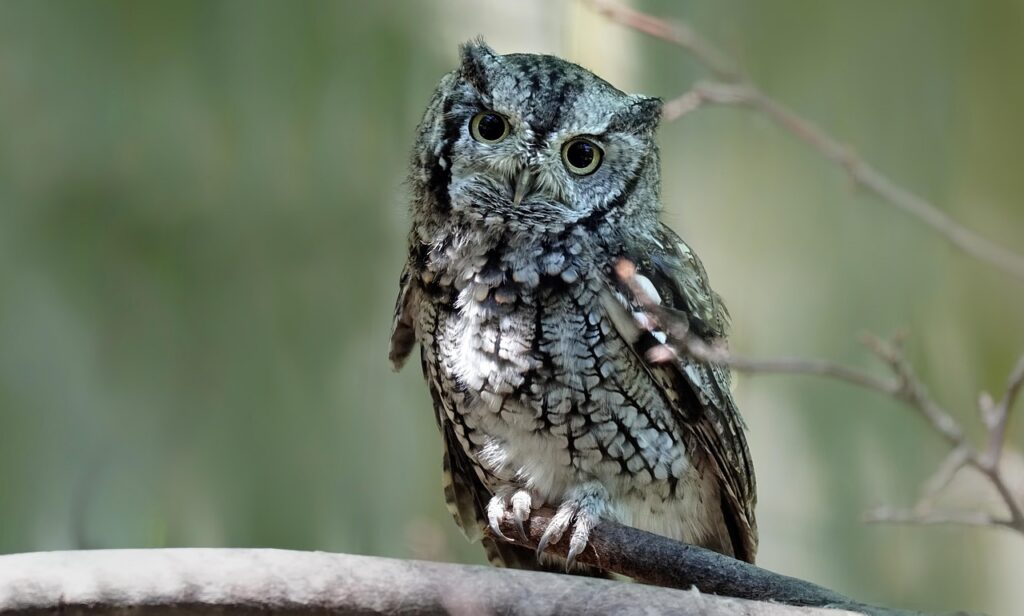
Genesis Of The Idea
Insights
Tom's Corner: Lessons from the owl: what microhabitats teach about patience
February 18, 2026
Nature’s return on small investments
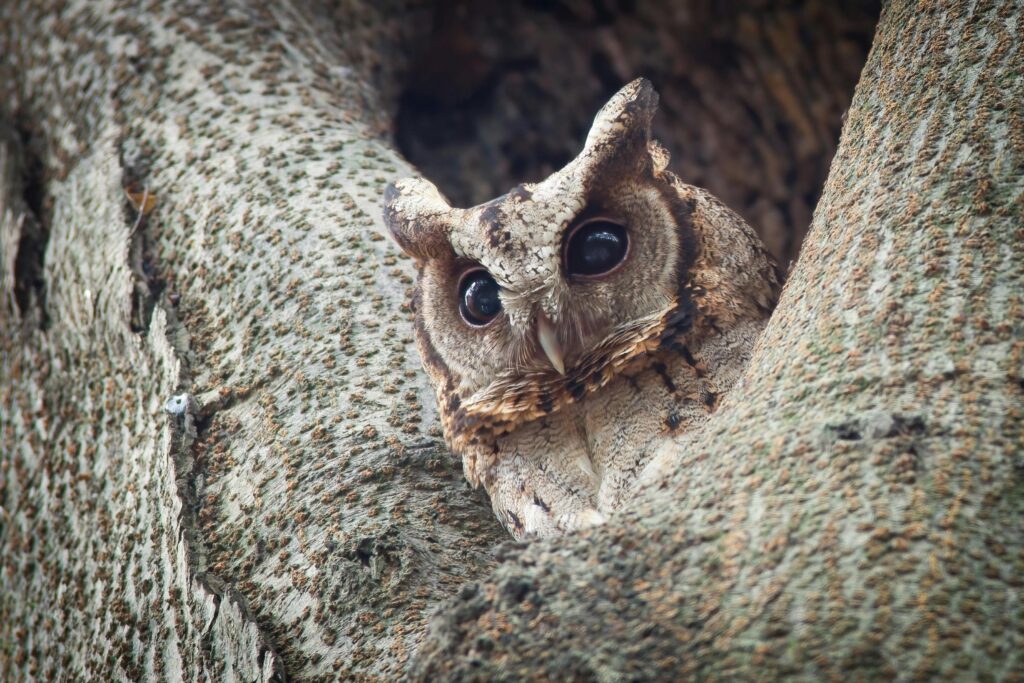
Finally, he showed up.
Last week I saw a screech owl poking his head out of the nest box I put up about a decade ago, surveying my yard. At least I presume it’s a male, one prospecting for nest sites to attract a female. Breeding season is already underway in owl-dom, and hormones are running high. Will he stay and claim it, or was he just passing through, exploring for better hunting territory because of the persistent snow cover we’ve had this winter? I have no idea.
Admittedly, my yard is not the ideal place for a screech owl. It sits in a suburbanized neighborhood, and every tree in my lot is one I planted myself. And though I am verging on old, by owl standards the trees are young. But at least I no longer need to wonder whether the box has been discovered, only whether my yard and neighborhood offer enough prey to support a pair and, perhaps, a clutch of owlets.
We live in an impatient time. If you are an entrepreneur and you want to attract investors, new initiatives are expected to produce fast results and show the potential to scale quickly. Go big or go home, the saying goes. But successful microhabitats don’t operate by these rules. They stay small, and they stay home, and the wildlife who invest in them assess risk by a different standard. Rather than profit, they are looking for security. For a microhabitat entrepreneur impatience is a liability, careful management an asset.
Indeed, there can be quick returns in microhabitats. Plant a native garden that blooms across the growing season and add a few nesting features, and even an isolated site may see a burst of pollinators. It’s exciting. But think of it from an owl’s perspective. Trees must grow large enough to suggest presence of cavities (even if you provide those cavities yourself, via nest boxes). Plants that produce nuts, berries, seeds, tubers, and grasses must mature and generate enough forage to attract meadow voles and white-footed mice. Leaf litter and dense thatch must provide the cover those small mammals need to stay, breed, and avoid predators. Then, maybe, you’ll get a screech owl to invest.
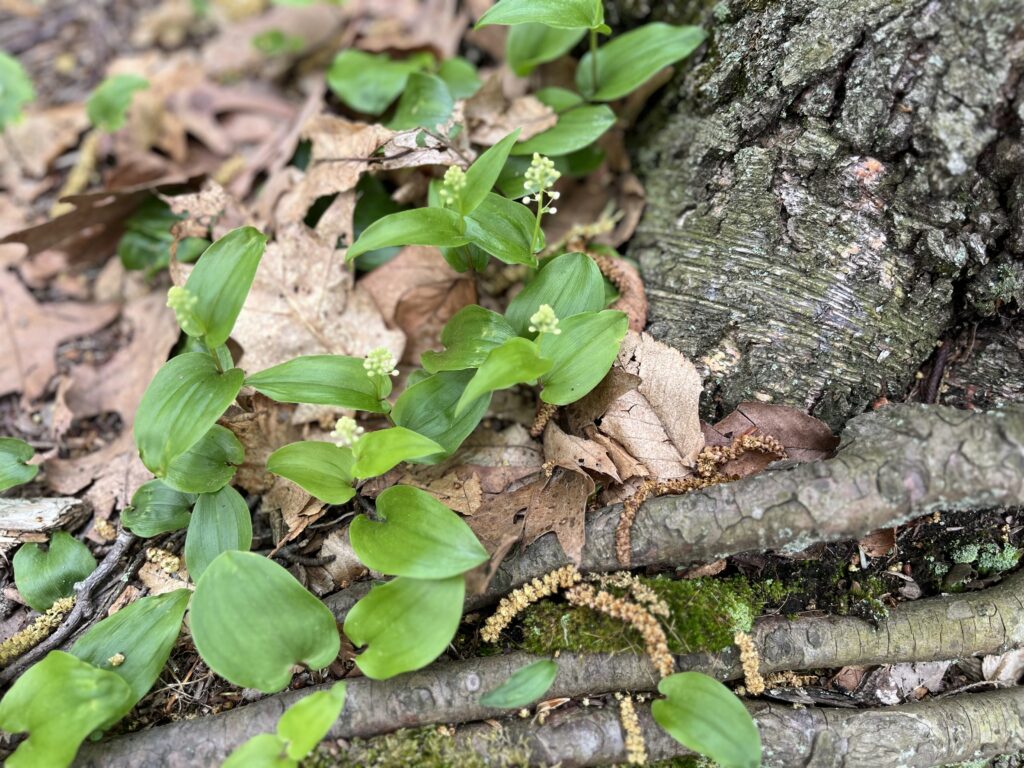
The same slow assembly applies to many plants and invertebrates. Some wildflower species won’t establish until soil communities and mycorrhizae create the right conditions, though who knows what those fungi and microbes are waiting for. In my yard, insect diversity is increasing, but spider species remain few. They, too, seem to be waiting for ecological conditions that may be more exacting than an owl’s.
Planting natives is a good start, but it is only the initial deposit. If you want to gauge the ecological wealth of your microhabitat, keep an account of the small predators you accrue over the years. Not the occasionally predatory omnivores like raccoons made hyper abundant in the residential landscape, but the dedicated flesh-eaters: the warblers, the swallows, dragonflies, frogs and salamanders, tiger beetles and, yes, perhaps screech owls. Predators are nature’s auditors. They appear only when the food web beneath them is deep, diverse, and reliable.
Share your thoughts with me at to*@******************ss.org.